Briefing · Listenseattle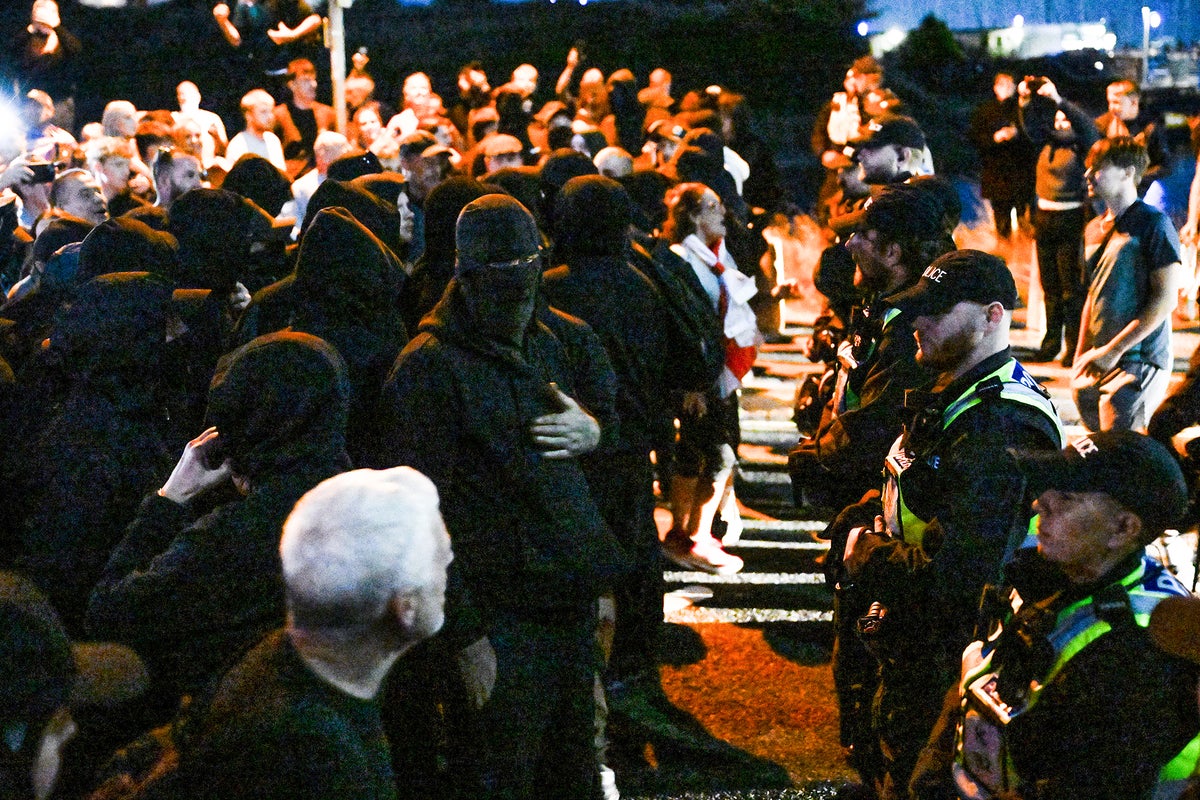
T he point of speeches at the UN annual gathering for a British leader is not that they make vast impact at an event with a superfluity of big global names swishing through the halls of the building: Andy Burnham ended up speaking to a near-empty hall at midnight. But they are an occasion to put a personal stamp on the biggest questions of the day, and Team Burnham celebrated a successful meeting with a mercurial US President – or at least one from which he escaped without the political equivalent of a body-slam. As Burnham arrives back in the UK, however, he must confront a clash between big government ideas and the raw reality of life back home .
It was striking that he used the world stage in New York to announce a new centre tackling disinformation to "stem the poisonous tide" of fake news and increasingly AI-generated distortions and images will be set up. Much of this of these stems from Russia or serves its wider purpose – which is to undermine the UK’s support for Ukraine and sow and amplify discord in a Nato ally. Burnham singled out Russia, saying the Kremlin spent around £1.3bn each year on manipulating information.
Yet that discord does exist – and however much it may be exploited by enemies of liberal democracy, it is rooted in dissatisfactions and anger which are homemade. In a dramatic illustration of that, hundreds of anti-migrant protestors gathered near the Gosport marina in Hampshire after reports that a large migrant boat was due to dock there. The rising ferocity of these protests is a clear warning to the government that grip on public order remains fragile.
The sight of large groups of men, covering faces and chanting “send them back” – and far-right attention-grabber Daniel Thomas viciously stabbing a knife into an inflatable dinghy several times in the Channel as he shouted, “This is England, this is not France anymore” – are signs that there are tranches of public opinion determined to leverage the difficulties the government has in stopping irregular migrant arrivals into a heated culture war. This feels like a subject where the Home Office is still adrift. For all of the blandishments – and financial inducements - thrown at France by Keir Starmer and Andy Burnham in an attempt to prevent migrants getting into dinghies, 51 migrants have arrived in this incident, arriving Dover to avoid a clash in Gosport, after spending more than 30 hours at sea.
Their determination to risk life to reach the UK is matched by an increasing sense that the situation eludes the control of governments – Tory or Labour. There are incremental improvements in the asylum processing system – but they lag behind expectations of what a strong Home Secretary, Shabana Mahmood, was expected to deliver. One area where Burnham has yet to settle on a clear message is how to handle protests which are themselves disruptive and intimidating.
Demonstrators wearing masks are essentially doing so to prevent themselves being identified and to create an atmosphere of threat. That is not something a government which wants to see the UK on a steadier path in the next decade should ignore. Sometimes the small picture is as telling as the bigger one.
Rightly, Burnham has warned that the extremes of opinion can be exploited and that Russian agencies are using "every means at their disposal", including bots and fake websites, to "spread lies and disinformation". AI will "multiply" existing threats. All of this reflects sobering experience of being a new leader, beset by security briefings at the highest levels – including from a head of MI6, Blaise Metroweli, who is an expert on AI and its uses and abuses in the intelligence wars.
The new anti-disinformation centre will be set up to tag and clarify fake information – the most effective remedies around the world right now at those which are labelling fake news of AI impersonations as soon as they are disseminated and before the insidious impact is felt and multiplied by sharing. Information warfare is also part of the new hybrid warfare, which as Metroweli put it in her first speech in the job means that the (battle) “front is everywhere” - including on our mobile phone screens and in our chatrooms. We now have greater openness about Russian attempts to interfere in the 2019 UK general election – though the government also needs to be careful not to make this purely like an attack on its political opponents in Reform UK.
I do believe, having covered this argument about the Brexit referendum, that we need to be clear about the difference between attempts to meddle in elections (which are pretty much the 24/7-day job of Kremlin operatives these days) – and actual successful meddling, where the evidence is far scantier. From the Leave vote in 2016 to elections against the backdrop of relentless hostility from Russia – as well as China and Iran – on our public spheres, there is indeed a major task to do in combating misinformation. There is also a job to be done better in understanding how furious people far more reasonable than masked protestors feel about successive powers giving away control of our borders.
Now that battle against dangerous untruths needs fresh force as the threat level rises all around us. But it’s always wiser politics to acknowledge that the sources of discontent and rage also lie close to home – and as Burnham returns from the elevated world of the UN to the domestic grind ,that is where the solutions also need to start.
Source: The Independent